Emergencies and disasters can strike without warning, and Montgomery County, Maryland, is no exception. In his October 29, 2023, presentation to the Montgomery County (Maryland) Citizen Academy Alumni Association, Patrick Fleming, Emergency Preparedness Specialist, with the Montgomery County Office of Emergency Management and Homeland Security (OEMHS), described the potential hazards faced by Montgomery County, the significance of preparedness, and the proactive steps that individuals and communities can take to bolster our resilience. OEMHS plays a pivotal role to ensure the safety and readiness of county residents.
Understanding Montgomery County’s Hazards
Over the years, Montgomery County has faced a range of emergencies, both natural and man-made. These include a severe windstorm known as Derecho, disruptions in water supply due to water main breaks, the crippling effects of the massive 2016 Blizzard, a tragic explosion at the Flower Branch Apartment complex that demanded rapid response, destructive Central Maryland Tornadoes in 2020, and the devastating Ellicott City Floods of 2016 and 2018. Additionally, the county has grappled with civil unrest in Baltimore in 2015 and had to manage security and crowd control during the Papal Visit to Washington, D.C. These incidents underscore the critical importance of preparedness and the need for effective emergency management to protect the community.
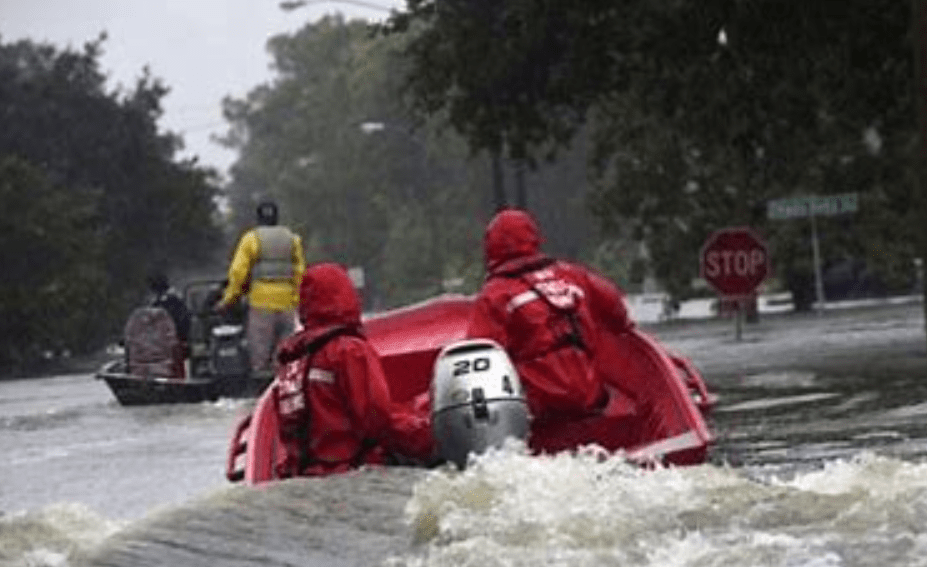
Montgomery County’s susceptibility to a diverse range of natural hazards necessitates a comprehensive understanding of potential risks. Occasional severe thunderstorms pose various threats, while cold weather and snowfall during winter storms can disrupt daily life. Sweltering summers and frigid winters present challenges, emphasizing the importance of preparedness for extreme heat and cold. Low-lying areas are particularly susceptible to flooding during periods of heavy rainfall. Furthermore, the county’s proximity to the Atlantic coastline increases its vulnerability to hurricanes and tropical storms. Recognizing and comprehending these natural hazards is essential for all residents, enabling them to proactively prepare for and respond to potential emergencies.
Utility Disruptions: Be Ready for the Unexpected
During a power outage, it’s crucial to take a series of important steps to ensure the safety and well-being of your household. First and foremost, it’s essential to promptly report the outage to your power provider. This helps expedite the restoration process and ensures that the necessary response teams are alerted. Simultaneously, OEMHS recommends turning off and unplugging your appliances. This precaution not only minimizes potential damage from power surges when electricity is restored but also conserves energy during the outage. Another critical measure is to keep refrigerators and freezers as cold as possible to preserve perishable food items. Furthermore, during a power outage, it’s essential to exercise caution around downed power lines, as they can be highly dangerous. Never approach or touch them and maintain a safe distance.
Additionally, it’s important not to resort to using candles for lighting during a power outage. Instead, opt for safer alternatives like battery-powered lights to reduce fire hazards. Lastly, when utilizing generators as a backup power source, it’s imperative to avoid using them indoors. Generators should only be operated in well-ventilated areas to prevent the buildup of carbon monoxide, a potentially lethal gas.
In the event of a gas leak, swift and decisive actions are of the utmost importance to protect lives and property. The first and most critical step is to evacuate the area immediately. Leaving the vicinity of the gas leak is essential for your safety. Simultaneously, you must call 911 to report the gas leak to emergency services. Their prompt response and expertise are crucial in containing and resolving the situation. During this time, it is vital to avoid smoking or using lighters or matches, as even a small spark can ignite the gas and cause a fire or explosion. Lastly, refrain from operating light switches or electrical devices, as these can serve as potential sources of ignition.
When dealing with water-related problems, proactive measures can help you navigate these challenges effectively. Ensuring that you have a three-day supply of water in your emergency kit is essential. It’s recommended that each person in your household has access to at least one gallon of water per day to meet their hydration and sanitation needs. Furthermore, preparing for cold weather by insulating your pipes is a wise precaution. This helps prevent freezing and potential pipe bursts, ensuring that you have a reliable water supply even during frigid conditions. Taking these steps can significantly enhance your readiness and resilience in the face of power outages, gas leaks, and water-related issues.
When Should I Call 9-1-1?
Understanding when to call 9-1-1 is a critical aspect of emergency preparedness. Knowing when to reach out to emergency services can mean the difference between safety and harm in various situations. First and foremost, if you find yourself in a life-threatening situation, it’s imperative to dial 9-1-1. This encompasses a wide range of scenarios, including fights, incidents involving weapons, personal injuries, and vehicle collisions. In these instances, swift action is essential to ensure the well-being of those involved.
Another crucial criterion for calling 9-1-1 is when you experience an immediate fear for your personal safety or the safety of others. If you ever feel threatened or believe that someone’s well-being is at risk, do not hesitate to seek help by contacting emergency services. Your call can be the lifeline that ensures a swift and effective response to the situation at hand.
In situations involving a serious crime in progress, it’s paramount to report the ongoing criminal activity to 9-1-1. This includes crimes such as robberies, burglaries, or assaults. Law enforcement relies on timely and accurate information to apprehend perpetrators and prevent further harm.
The presence of potentially hazardous situations, such as the smell of gas or downed power lines, also warrants an immediate call to 9-1-1. Gas leaks and electrical hazards pose significant risks, and alerting emergency services promptly can help prevent accidents and further damage.
When any type of fire breaks out, whether it’s a small household fire or a larger blaze, it’s crucial not to hesitate in calling 9-1-1. Fires can spread rapidly and pose an imminent threat to life and property. A swift response from the fire department is essential to contain and extinguish the flames.
For serious medical problems that require immediate medical attention, calling 9-1-1 is the fastest way to access help. Whether it’s a heart attack, a severe injury, or a medical emergency of any kind, reaching out to emergency services ensures that trained professionals can provide critical care and transport to a medical facility. Understanding these guidelines for when to call 9-1-1 is an essential component of emergency readiness, ensuring that help is just a phone call away in times of crisis.
The Montgomery County Police Non-Emergency Number 301-279-8000 should be used to report less serious crimes, not to ask general questions. Some examples of when to call this number include a noise complaint, a parking violation, a property damage traffic collision where there is no personal injury, loose or barking dogs, to report that you were a victim of a crime that is not in progress, and to report a suspicious person, vehicle, or situation 1. To understand more about how to Make The Right Call – Montgomery County MD.
Make a Plan: Prepare for the Worst
Creating a comprehensive emergency plan is a fundamental cornerstone of preparedness, ensuring that you and your loved ones are ready for unforeseen situations. Your plan should encompass several key elements, starting with identifying at least two people within your support network. These individuals play a pivotal role in providing assistance and support during emergencies, enhancing your overall resilience.
Equally vital is understanding what to do in case of evacuation or sheltering in place. Different emergency scenarios may necessitate distinct responses, and being well-prepared ensures you make the right choices when the need arises. Establishing effective communication strategies with loved ones is another critical component. Maintaining a reliable means of staying in touch during crises helps you coordinate and stay informed.
To create a well-structured plan, it’s imperative to maintain a written document that includes essential details. This should encompass a comprehensive list of medications, special medical conditions, eyeglass prescriptions, health insurance information, and contact information for doctors and pharmacists. Sharing this plan with everyone in your household is crucial, ensuring that all family members understand their roles and responsibilities.
Furthermore, it’s essential to review your insurance coverage for your home. This includes ensuring you have the appropriate insurance, particularly flood insurance if you reside in a flood-prone area. Familiarizing yourself with the emergency plans of buildings you frequently visit is also important. Understanding escape routes and emergency procedures in these familiar locations can be invaluable in times of crisis.
In addition, consider taking steps to clear hallways and exits, removing any obstacles that could hinder your evacuation during an emergency. Knowing when and how to shut off your utilities is a practical skill. In cases of gas leaks or other utility issues, being aware of how to turn off gas, water, and electricity can help prevent further hazards.
Furthermore, establishing a support network is crucial, especially for individuals who may require additional assistance during emergencies. Consider their unique needs and requirements, including shelter and transportation options for special needs. Special considerations are also vital, particularly for individuals with hearing or visual impairments, non-English speakers, or special dietary needs, all of whom should take additional precautions.
Finally, planning for your pets is an essential part of your emergency plan. Ensure that your pets are not only accounted for but that their specific needs are addressed. Arrange for a neighbor or friend to assist with their evacuation if you’re not at home during an emergency. Be aware of the nearest pet-friendly hotels, and have proper identification and supplies readily available for your pets to ensure their safety and well-being during crises.
Building a Kit: Be Ready for Anything
A Shelter in Place Kit is an essential component of emergency preparedness, ensuring that you and your household have the necessary supplies to weather an emergency within your home. This kit should include a three-day supply of non-perishable food and clean water, providing sustenance during unforeseen events. Additionally, it’s crucial to pack extra clothing and sturdy shoes for all household members, safeguarding against exposure to the elements.
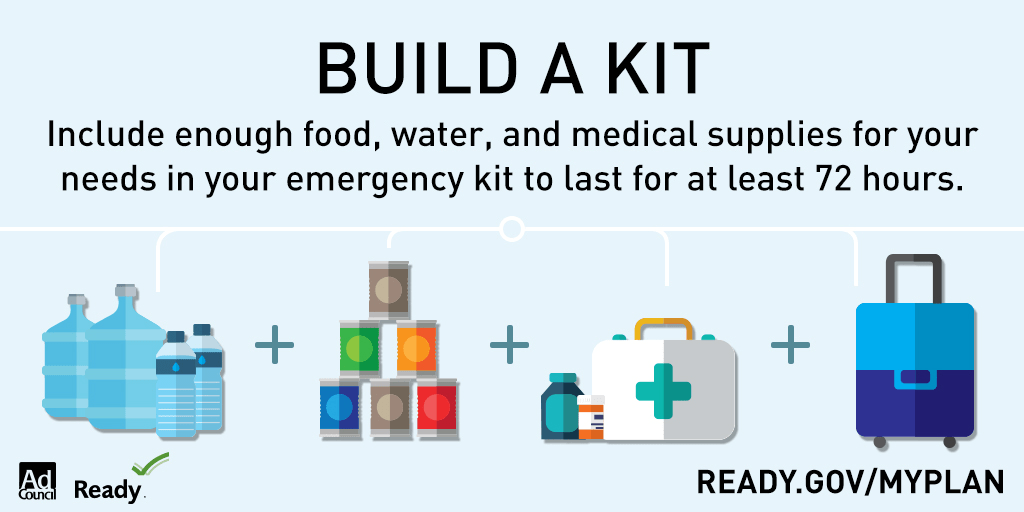
To facilitate your emergency readiness, include a manual can opener for accessing canned food items within your kit. A battery-powered or hand-crank radio, along with the required batteries, allows you to stay informed and connected, receiving vital information during the crisis. A reliable flashlight and accompanying batteries ensure you can illuminate your surroundings and navigate in the darkness.
Health and safety considerations are also vital, and a well-stocked first aid kit, along with essential medications and medical supplies, should be included. Maintaining personal hygiene remains essential, even in challenging circumstances, and toiletries and sanitation supplies should be part of your kit. Safeguard copies of crucial documents, such as identification, insurance policies, and medical records, to address administrative needs during the emergency.
Stay connected with a list of emergency contacts and family members, and include local maps to navigate your area effectively. Keeping cash on hand for immediate expenses is practical, and tailoring your kit to the specific needs of your household, including supplies for pets, infants, and individuals with specific medical requirements, ensures comprehensive preparedness for a range of emergency scenarios.
Go Bag:
A Go Bag is an indispensable component of your emergency preparedness, designed to accompany you during an evacuation, ensuring that you have essential supplies readily available as you navigate through unforeseen situations. To cover sustenance during your evacuation, it’s essential to include non-perishable food items and snacks that can sustain you and your household for several days. This provides a source of nourishment when access to food is limited.
Equally vital is a change of clothes and suitable footwear, ensuring comfort and readiness during your evacuation. To stay connected and informed while on the move, equip your Go Bag with a radio, flashlight, and the necessary batteries or a charger for these essential communication and lighting tools.
Considering health and safety, a basic first aid kit should be included to address injuries and medical needs. Don’t forget to pack necessary medications to maintain your health and well-being during the evacuation. Maintaining personal hygiene, even in mobile circumstances, is essential, so include toiletries and sanitation supplies in your Go Bag.
If you rely on corrective lenses, ensure you have an extra pair of eyeglasses or contacts, enabling you to see clearly during an emergency. Safeguarding copies of crucial documents, such as identification and insurance information, is practical to address administrative needs.
Facilitate communication during your evacuation by including an emergency contact list, and local maps can be invaluable tools for navigating your surroundings. Additionally, it’s wise to carry cash to cover immediate expenses that may arise during your evacuation.
Tailoring your Go Bag to address the unique needs of your household is crucial. Consider supplies for pets, infants, and those with specific medical requirements to ensure comprehensive preparedness for a range of emergency scenarios. By having both a Shelter-in-Place Kit and a Go Bag at the ready, you can significantly enhance your level of preparedness and readiness for various emergency situations, ensuring that you and your loved ones are well-equipped to face the unexpected.
Get Involved: Strengthening the Community
Participating in local emergency response and volunteer organizations is a proactive way to bolster your preparedness and contribute to the resilience of your community. Montgomery County offers several opportunities for individuals to get involved and make a meaningful difference in times of crisis. These organizations play a pivotal role in supporting the community and ensuring that resources and assistance are readily available when needed.
The Community Emergency Response Team (CERT) provides valuable training and education, empowering volunteers to assist in emergency situations. CERT members learn essential skills, such as basic first aid, search and rescue techniques, and disaster preparedness, allowing them to serve as immediate responders during crises.
For those with a special affinity for animals, the County Animal Response Team (CART) offers an avenue to help pets and livestock during disasters. CART members ensure that animals are also cared for and protected, addressing a vital aspect of emergency response that is often overlooked.
The Red Cross is a renowned humanitarian organization with a significant presence in Montgomery County. They offer numerous opportunities for volunteers to contribute to disaster relief efforts, provide emergency shelter and assistance to those affected by disasters, and support blood donation drives, among other critical services.
The Medical Reserve Corps (MRC) brings together medical professionals and other volunteers who play a crucial role in emergency response. These dedicated individuals provide medical care, support, and expertise during public health crises and disasters.
Emergency Support Volunteers (ESCVs) are a vital part of Montgomery County’s emergency response efforts. These volunteers assist in various roles, such as helping with logistics, communications, and other essential functions that keep the emergency response system running smoothly.
Lastly, the Montgomery County COAD (Community Organizations Active in Disaster) is a collaborative network of organizations that work together to enhance disaster preparedness, response, and recovery. COAD members contribute their unique skills and resources to coordinate and strengthen community efforts during emergencies.
By joining these organizations, you not only bolster your own preparedness but also become an integral part of a community that works tirelessly to ensure the safety and well-being of all residents. In times of crisis, the dedication and contributions of these volunteers are invaluable, underscoring the significance of community involvement in emergency response efforts.
For more information and resources, visit the OEMHS Resource Library and Ready.gov. By taking these steps and preparing for various emergencies, you can help ensure the safety and well-being of yourself, your loved ones, and your community in Montgomery County. In times of crisis, preparedness can make all the difference.
Subscribe to Alert Montgomery and get emergency alerts from Montgomery County directly to your mobile devices. Through this service, Montgomery County officials can send event updates, warnings, and instructions right to you. You can pick and choose what categories you would like to subscribe to, such as: severe weather, severe traffic, public health, school closures, community use of public facilities, and more. This is an accessible emergency notification service that sends alerts via text, email, phone, and TTY/TTD to people who live or work in the County.
 Walt Houser